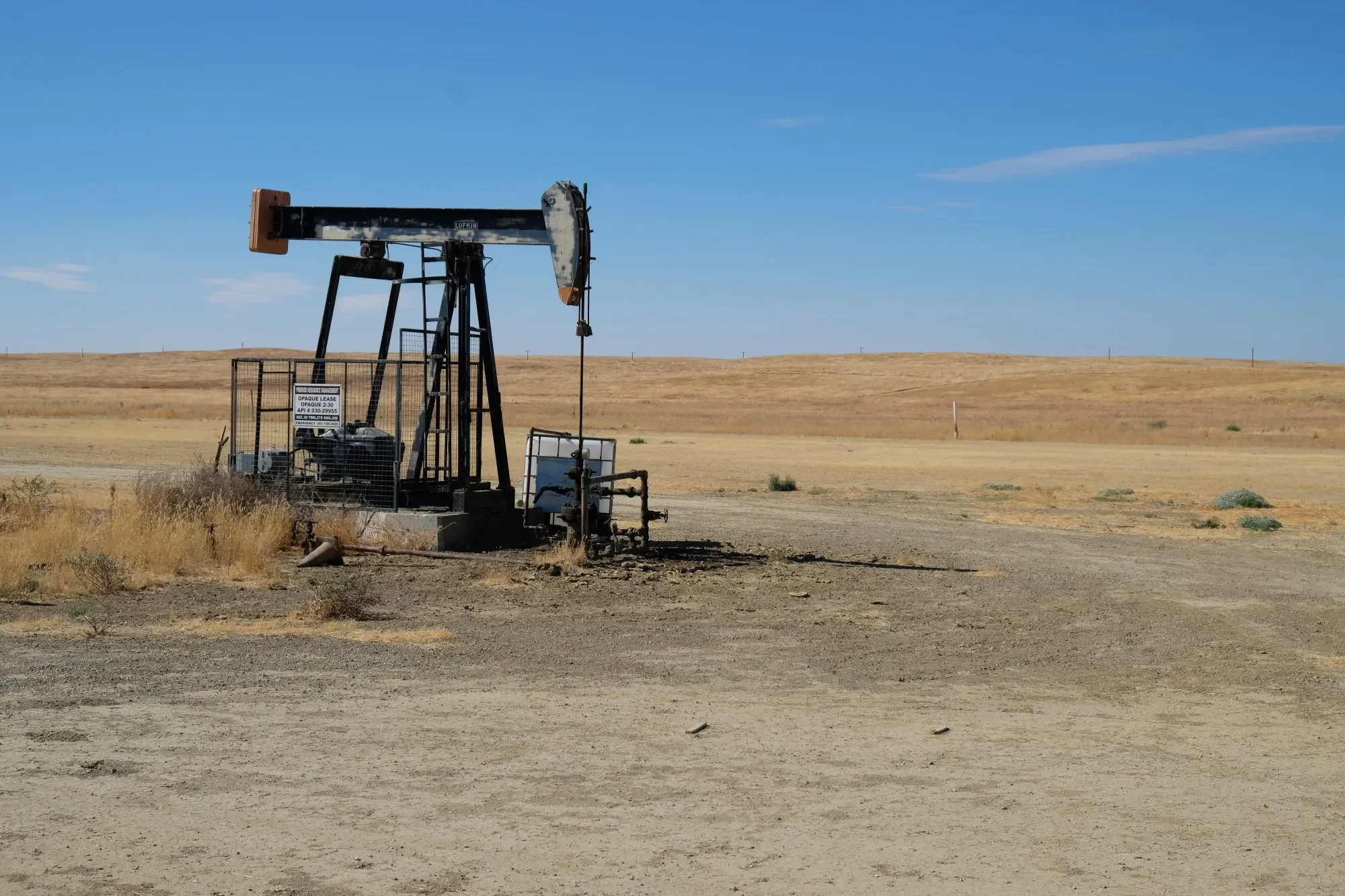
Shale taught our industry to drill fast. As the best locations get drilled out, the next well costs more and returns less, and the easy inventory does not come back.
Enhanced oil recovery works the other way. The reservoir is already found. The roads, pipe and facilities are already built. Declines are shallow, and results come from reservoir management, not rig count. That means steadier cash flow, and a business that holds up when price doesn’t.
That is the corner we chose: patient, engineering-led, and built to carry through price cycles. It is not the sexy part of oil and gas, and we like it that way.
Next we’re building the knowledge to do it properly. We plan to study the fields where EOR worked and the ones where it didn’t, work with academic and operator engineering teams to learn best practices, and turn that into the framework for LX Operating.
Forward-looking statements reflect current plans and may change. For information only.
-
LX Oil and Ranch owns producing oil and gas interests in North Dakota, Wyoming and Texas, with little to no leverage. We study enhanced oil recovery as owners: how a reservoir responds, what it costs, and what keeps producing. Our affiliate, MacroEdge, publishes the research behind how we read price, costs and cash flow.
-
We start with the reservoir, not the rig count.
Study the cases. We look at fields where EOR worked and where it didn’t, and why.
Test it with engineers. We work through the technical questions with academic and operator engineering teams.
Write down what works. We turn best practices into a framework we can apply.
Apply it through MacroEdge. The framework becomes how we run fields.
We hold little to no leverage, so we can wait on results and not be forced to chase them.
-
We’re building relationships with the people who know this work best: operators running EOR projects, university petroleum engineering groups, and field engineers and specialists. If you work in EOR and want to compare notes, we’d like to hear from you.